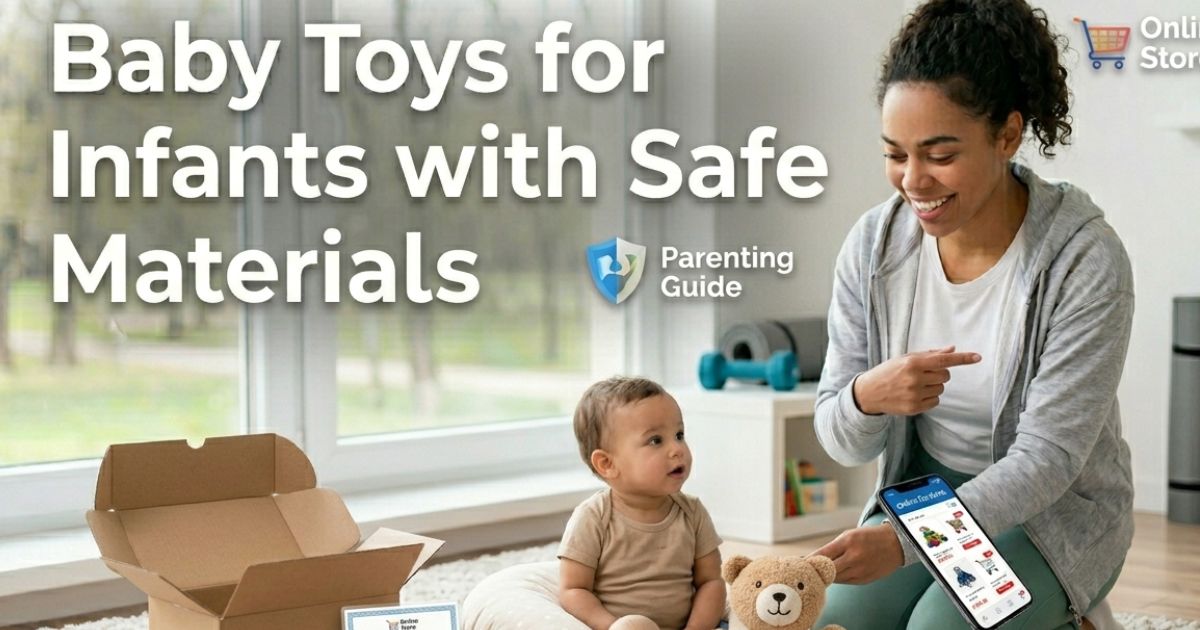
Choosing the right baby toy for infants means balancing fun and developmental benefit with strict safety. In this guide, new parents and caregivers will learn how to select toys made of safe materials from organic cotton plushies to food-grade silicone teethers that won’t harm baby. We’ll cover important safety standards, recommend top types of soft, sensory, and educational baby toys for infants, and explain how each supports infant growth. By the end, you’ll know exactly what to look for to pick the best baby toy for infants without compromising safety or learning value.
What Makes a Baby Toy Safe for Infants?
Safety is paramount for infant toys. A truly safe baby toy should have no small parts or sharp edges, be sturdy enough to withstand chewing, and use non-toxic materials. Always check toy labels for age recommendations: infants should have toys larger than 1¼ inches in diameter so nothing can be swallowed. Avoid items with loose buttons, beads, or strings longer than 7 inches. In practice:
- Size & Design: Toys must be big enough that they can’t fit into a child’s mouth or windpipe. (A quick test: nothing should fit entirely into a toilet-paper tube.) Look for rounded edges, no detachable wheels or eyes, and no long cords or ribbons.
- Durability: For infants who mouth everything, toys should be unbreakable and able to withstand chewing. For example, teething rings are often solid silicone, and plush toys have reinforced stitching so seams don’t split.
- Non-Toxic Materials: Choose toys labeled “BPA-free,” “phthalate-free,” or with certifications like CPC/ASTM that guarantee no harmful substances. Painted surfaces must use non-toxic, lead-free paint. As a rule, check that any fabric toy is washable and flame-resistant. Avoid any toys with paint or finishes made before 1978 (potentially containing lead).
By following these guidelines, you ensure each safe baby toy for infants helps play time stay fun and hazard-free.
Safety Standards and Guidelines
In the U.S., infant toys fall under strict safety regulations. Look for ASTM F963 compliance or the CE mark in Europe to indicate rigorous testing. The U.S. Consumer Product Safety Improvement Act (CPSIA) bans harmful substances in children’s products. Although parents won’t test toys themselves, knowing these rules helps: for instance, all teethers and plastic toys must be free of lead and excessive phthalates. Pediatricians also advise checking for a Certificate of Compliance (CPC) on toys, which means a manufacturer has verified the toy meets all regulations.
In everyday terms:
- Age Labels: Always heed the age-range printed on the packaging. It signals whether a toy has passed child-size and strength tests.
- Certifications: Look for seals like ASTM F963, UL (for electronic toys), or OEKO-TEX/GOTS on fabrics. These indicate the product passed testing for safety and toxic substances.
- Recalls & Updates: Regularly check the CPSC website or subscribe to recall alerts. Hundreds of recalls happen yearly (often for lead paint or choking hazards). Remove or discard any recalled toys immediately.
By keeping these standards in mind, caregivers can feel confident that their baby toy for infants adheres to the latest safety guidelines.
Safe Materials for Baby Toys
The materials used in baby toys determine both safety and play value. Ideally, infant toys are made from natural or inert materials without harmful chemicals. Here are some top choices and what to watch out for:
- Wood (Untreated or Non-Toxic Finish): Wooden toys are sturdy and chemical-free when untreated. Look for solid wood blocks, beads, or rattles finished with food-grade oil or beeswax (avoid unknown paints). As Seattle Children’s health expert Dr. Sathyanarayana notes, “wood toys are generally a better choice for babies” since they tend to lack the plasticizers found in many synthetic toys. However, inspect wood toys for splinters or chipped paint; sand any rough spots before giving them to baby.
- Silicone (Food-Grade): Silicone is a popular modern material. High-quality, food-grade silicone is heat-resistant and “non-toxic, free of BPA, phthalates, PVC, and lead”. It’s great for teethers, stacking rings, and squeezable toys. Silicone toys are easy to clean and durable, and MissPoppins experts highlight that silicone lacks the hormone-disruptors found in many plastics. Ensure silicone toys are FDA or LFGB certified (these seals prove purity).
- Natural Rubber: 100% natural rubber (latex-free) is another safe teether and bath toy material. For example, some ducks or balls are now made of pure rubber instead of PVC, eliminating phthalates and chlorine. Like silicone, natural rubber is soft and chewable. Be mindful of latex allergies, but many products note “rubber hevea” which is a hypoallergenic tree latex.
- Organic Cotton/Fabrics: Soft toys (blankets, plushies) made from organic cotton or bamboo fiber are gentle on baby’s skin. They shouldn’t have PVC backing or flame-retardant chemicals. Look for OEKO-TEX 100 or GOTS certifications on stuffed animals or fabric books. Organic fabric toys are cuddly and breathable, but must be fully washable and all attachments (like embroidered eyes) firmly sewn on. Dr. Sathyanarayana emphasizes washing soft toys often, as they can harbor germs.
Materials to Avoid: In contrast, try to minimize plastic and avoid vinyl (PVC) toys when possible. Many inexpensive toys contain BPA or phthalates, which are linked to developmental concerns. The GimmeTheGoodStuff guide warns that even “lower concern” plastics can release microplastics over time. Also beware cheap painted wood or foreign-made toys with lead paint.
In summary, safe materials are natural (wood, cotton, rubber) or certified plastic/silicone. Always double-check that any plastic toy is labeled non-toxic or BPA-free. By choosing these safer materials, you’ll have soft baby toys for infants that are gentle on both baby and planet.
Soft Baby Toys for Infants
Soft toys are comforting and often a baby’s first playmates. When chosen carefully, they can be safe baby toys for infants and even educational. Key examples include plush animals, loveys, fabric books, and soft blocks.
- Plush Stuffed Animals & Loveys: These cozy toys provide tactile comfort. A small organic cotton bear or bunny can become a sleep-time companion. Make sure it’s machine washable and has no bead stuffing. The fabric should be flame-resistant or treated with safe methods (as per CPSC rules). Remove any ribbons or strings to prevent strangulation. The American Academy of Pediatrics recommends well-made stuffed toys with all parts tightly secured. Soft toys with embroidered eyes (not plastic ones) and securely stitched seams are ideal. Organic plushies often use toxin-free dyes and fillings like recycled polyester or plant-based fiber. For instance, Apple Park makes organic cotton stuffed animals filled with corn fiber instead of plastic.
- Cloth or Soft Books: Cloth books with high-contrast images and texture patches stimulate babies’ vision and touch. Board books (thick pages) are also good once baby learns to handle them. Avoid books with flappy plastic parts that can tear. Fabric books may have squeakers, crinkles, or mirrors sewn in safely. Babies love soft books they can mouth – just ensure any sounds or mirrors are securely encased so nothing comes loose.
- Soft Blocks: Foam or fabric-covered blocks (made without harmful flame retardants) let babies stack and knock things over. They introduce shapes and colors safely. Blocks made of organic fabric or recycled plastic foam are good. If using foam, it should meet flame resistance standards without toxic treatments.
In choosing soft baby toys for infants, cleanliness and construction are critical. All soft toys should be washable (machine washability is a plus) and have no loose parts. Check them frequently: buttons, eyes, or stitching can loosen over time. Soft toys should be large enough that even if compressed, they can’t be swallowed. Overall, a well-made plush toy or fabric book offers gentle stimulation and a cuddly friend, supporting emotional security and early sensory play.
Sensory Baby Toys for Infants
Sensory toys engage an infant’s vision, hearing, and touch, making them both fun and developmentally valuable. Look for bright colors, interesting textures, and gentle sounds. Here are some top sensory baby toy ideas:
- Rattles and Shakers: A classic infant toy, rattles encourage grasping and auditory exploration. A safe rattle may be made of smooth wood or BPA-free plastic with securely sealed beads inside. When babies shake a rattle, they learn cause-and-effect and build arm strength.
- Textured Balls and Teethers: Balls with bumps or different materials (silicone, rubber, soft fabric) stimulate tactile awareness. Teethers with varied surfaces (nubs, ridges) soothe gums and introduce texture. For example, a silicone teething ring with raised dots gives both mouth exercise and touch exploration.
- Mirrors: Unbreakable baby-safe mirrors introduce visual self-recognition. Many high-contrast infant toys include mirror surfaces. Seeing reflections can delight babies and help social development.
- Crinkle and Squeaky Toys: Some cloth books or soft animals have crinkly pages or squeakers inside. The unexpected noise rewards touch, teaching babies that they caused the sound. Just ensure squeakers are internal (not removable) to avoid choking.
- Activity Gyms & Toys on a Gym: A baby activity mat with hanging toys lets infants bat at plush or plastic objects (often with rings, animals, or shapes). This builds hand-eye coordination. These gym toys often use safe materials like wood beads or fabric knots. Ensure the gym frame is stable and out of reach to avoid tipping hazards.
- Toys with Contrasting Patterns: Black-and-white or high-contrast patterns are especially engaging for newborns whose vision is still developing. Patterned balls, books, or rattles can be great first toys.
- Soft Light-Up Toys: Many infant toys gently light up or play soft music. If using electronic sound toys, pick ones labeled “low volume” to protect ears. Remember to remove batteries or choose battery-free toys for the youngest infants, as button batteries are dangerous if swallowed.
Sensory toys help infants make sense of the world through play. As HABA explains, good baby toys “stimulate sensory exploration, encourage fine motor skills and promote cognitive growth”. By choosing sensory baby toys for infants that are safe and varied, you encourage your baby’s curiosity: different textures, colors, and sounds keep babies interested and aid healthy brain development.
Educational Baby Toys for Infants
Educational play starts at birth. The best educational baby toys are simple, open-ended, and grow with your child. Rather than screen-based “smart toys,” infants benefit from toys that encourage interaction and discovery. Consider these categories:
- Stacking and Nesting Toys: Colorful stacking rings, cups, or blocks teach early math concepts like size, order, and balance. Babies learn to place one object on another, improving fine motor control. For example, a set of soft cups with numbers or pictures adds learning to the fun of stacking. The Vulli Sophie Giraffe, while mainly a teether, also encourages babies to grasp and hold, introducing cause-and-effect as they bite (and it squeaks).
- Shape Sorters (for older infants, ~9-12 months): Multi-shape sorters involve pushing shapes through holes. This classic toy builds hand-eye coordination and problem-solving. A safe shape sorter is chunky (no small pieces), often made of wood or sturdy plastic, with large openings. As infants mature into crawlers, shape sorters can introduce colors and shapes verbally by parents.
- Music and Sound Toys: Simple musical toys (like shakers or baby pianos) introduce rhythm and sound patterns. Even a soft xylophone, pressed by a helper, can show cause/effect of touch and sound. Always supervise to ensure mallets or batteries are secure.
- Interactive Storybooks: Board books with flaps, textures (“touch and feel” books), or sound buttons make reading a sensory game. Shared reading boosts language skills, so choose sturdy books with bright pictures of familiar objects (animals, household items) and read aloud as baby touches the pages.
- Pretend Play Items: Although full pretend play comes later, even infants can enjoy toy phones, baby-safe dolls, or simple toy cars they can grasp. These introduce the idea of objects and roles. A soft doll or fabric animal encourages nurturing gestures; push-and-pull toys can start as floor toys and become walking buddies when baby is steadier.
The National Association for the Education of Young Children (NAEYC) notes that good infant toys are ones “they can reach for, hold, suck on, shake, [and] make noise with,” such as large rings, squeeze toys, and textured balls. These all fit into educational categories by stimulating curiosity. Key points: choose toys that match baby’s abilities (grasping, sitting, crawling) and encourage exploration. Always prioritize safety: educational doesn’t mean complicated. Even simple household “toys” can educate (like wooden spoons and pots as noise-makers, as some parents do).
In short, an educational baby toy for infants is one that invites interaction—be it grabbing, stacking, or listening to a song and is safe for baby’s age. With these kinds of toys, learning happens naturally through play.
Toys and Infant Development
Play is how infants learn. The right baby toys can support key developmental milestones in areas like motor skills, language, and social-emotional growth. Here’s how to connect toys to development:
- Fine Motor Skills: Grasping and manipulating toys builds hand strength and coordination. Rattles, soft balls, and grasping rings help newborns practice closing their fingers. By 4-6 months, reaching for hanging toys or unscrewing a large knob hones pincer grasp. Encourage play with silicone teething rings (easy for tiny hands), fabric loops, and stacking cups to keep developing those fine motor abilities.
- Gross Motor Skills: Toys that encourage movement (rolling a ball, crawling after a toy, or a push-cart) develop core muscles. Baby gyms or tummy-time mirrors encourage babies to lift their heads and use their arms. By about 9-12 months, crawling toys or pull toys can motivate crawlers to get moving. Large soft blocks or tunnels provide obstacles to practice crawling and eventually walking.
- Cognitive Skills: Even early on, babies start problem-solving. Cause-and-effect toys (buttons that play music, blocks that stack) teach the concept of action and reaction. Simple puzzles (like nesting boxes) introduce concepts of object permanence and spatial relationships. Soft books encourage looking and listening, building attention and memory. Always talk to your baby during play: naming colors, shapes, and actions turns any toy into a language lesson.
- Sensory and Visual Development: Bright colors and patterns help vision develop. By 2-4 months, babies focus on high-contrast toys (black/white or bold patterns). Mirrors allow them to begin recognizing faces (first theirs, then caregivers). Textured toys refine tactile discrimination; water play with splash mats or safe bath toys introduces temperature and fluid concepts.
- Social-Emotional Learning: Playtime with toys is also bonding time. Stuffed animals or dolls can become “friends,” helping infants practice gentle touch. Toys that mimic daily life (phone, car, animal figures) let babies safely explore grown-up roles under supervision. Reading books together fosters emotional security and early literacy love.
The NAEYC list of “Good Toys for Young Infants” includes many of these examples: rattles, squeeze toys, teething rings, board books and unbreakable mirrors. These suggestions underscore that even simple, well-chosen toys can provide rich developmental benefits. When choosing any baby toy for infant development, ensure it matches baby’s current skills (and gently stretches them) while remaining safe. Rotate a variety of toys to cover all these developmental domains over time.
Best Baby Toys for Infants: Examples and Ideas
To put it all together, here are some of the best baby toys for infants (0–12 months) that meet safety criteria and developmental needs. (These are toy types rather than brands, so you can choose your favorite maker.)
- Wooden Rattle or Teether: A smooth wooden ring or lollipop shaped rattle (made of finished beech or maple) is durable and chemical-free. It provides a gentle sound and a firm bite surface. Many brands make wooden clutching toys that double as teethers. These typically have rounded edges and non-toxic finish.
- Silicone Teething Ring: Look for 100% food-grade silicone teethers in fun shapes (stars, rings, animals). These soothe gums and encourage grasping. For example, silicone star-shaped teethers often have different textures for baby to explore.
- Soft Activity Book: Fabric or “look-and-feel” books with various textures (furry patch, crinkle paper, mirror) keep little ones engaged. Make sure pages are securely attached. Brands like HABA make cloth books that are machine-washable, introducing animals or numbers safely.
- Stacking Cups or Rings: Colorful stacking toys (usually BPA-free plastic or silicone) teach cause-and-effect and improve dexterity. Cups are especially versatile – baby can stack them, nest them, and even splash with them in the tub. Ensure they have large holes or grips so no suction hazard.
- Soft Blocks: Foam or soft fabric blocks in various textures are great for babies who can sit. They can stack and knock them down, which is endlessly entertaining. Opt for blocks labeled non-toxic and flame-retardant.
- Infant Tummy-Time Mirror: A non-breakable mirror that can be laid in front of baby during tummy time encourages lifting the head and reaching. Faces (even their own reflection) are fascinating to infants. Choose a mirror with suction cups or soft backing, and always supervise to prevent falls.
- Colorful Sensory Ball: A textured ball (grippy surface) about 4 inches wide is perfect for crawling infants. Rolling the ball encourages chasing. Babies also love to grasp and squeeze soft balls. Pick a ball with ridges or holes (like a WubbaNub ball) for easy gripping.
- Mobile or Hanging Toys: A simple mobile with wooden or silicone elements (stars, animals) hung well out of reach adds visual interest. Remove it by 5 months or when baby starts pushing up to prevent safety issues. Hanging car seat/stroller toys are also useful for soothing on-the-go.
- High-Contrast Flashcards or Art: While not a “toy,” black-and-white cards held in front of newborns help vision development. Alternatively, a baby “music box” that plays lullabies introduces auditory learning in a gentle way (volume should be low).
When selecting any of these, always verify safety: non-toxic materials, no small parts, and sturdy construction. These best baby toys for infants should align with your child’s age and interests. For example, newborns enjoy soft rattles and mobiles, while a 9-month-old might love stacking cups or a crawl-ball. The Mama Instincts gift list (trusted by many parents) includes similar items like silicone teethers and wooden rattles, highlighting their popularity and safety for infants.
Tips for Choosing and Maintaining Safe Baby Toys
Finally, here are concrete tips to ensure your infant’s toy box stays safe and stimulating:
- Inspect Before Each Play: Check toys regularly for wear or damage. Loose parts or cracks can turn a toy hazardous. Throw away any broken toys immediately.
- Follow Age Labels: Use the toy only if your baby fits the recommended age range. For example, small-parts warnings mean “keep away from under-3-year-olds”. If in doubt (like hand-me-downs), use a toilet-paper tube to test small parts.
- Cleanliness: Wash fabric and plastic toys often. Soft toys (plush animals, cloth books) should be cleaned per instructions to kill germs. Rinse off bath toys and ensure they dry fully to prevent mold (or choose sealed rubber toys). If a toy is exposed to spit or is visibly dirty, wipe it down.
- Avoid Bottles/Wrap: Remove all plastic film or twist ties from packaging before giving the toy to baby (plastic covering can suffocate an infant). Also, discard all plastic bags and rubber bands babies will mouth anything, and these are choking hazards.
- Store Safely: Keep older kids’ toys with small pieces up high. When your infant is asleep or unsupervised, put away toys with long cords or straps. Any hanging crib toy or mobile should be out of reach and removed by 5 months or when baby starts rolling.
- Rotate Toys: Limit the number of toys available at one time. Rotate different safe baby toys in and out of reach. This maintains novelty and makes it easier to watch what baby is chewing on.
- Read Labels: Make sure anything marketed as “non-toxic,” “BPA-free,” “lead-free” carries those claims on the packaging or label. If buying secondhand, it’s safer to stick to items with no electrical or electronic components.
- Supervise Play: No matter how safe, infants need watching. Keep an eye especially when new toys (like bath toys or shapes) are introduced.
By following these tips, you can ensure every baby toy for infants remains a safe tool for growth. As Seattle Children’s doctors advise, “The best way to protect children is to watch them while they play and make sure that toys are age appropriate.”
Conclusion
Choosing the right baby toy for infants means prioritizing safety without sacrificing fun and learning. Safe materials like untreated wood, food-grade silicone, and organic fabrics should come first, followed by developmentally appropriate design. Toys that are soft, durable, and sensory-rich (rattles, teethers, textured books) help babies explore the world safely. Educational toys (stackers, shape sorters, storybooks) lay the groundwork for cognitive and motor milestones.
Parents should always check size, age labels, and material certifications to avoid hazards (choking, toxins, etc.). By combining safety guidelines from pediatric experts with engaging play options (sensory balls, fabric books, wooden toys), caregivers can create a fun, nurturing play space. Remember: play is learning.
Every sentence in this guide is designed to help you pick the best baby toy for infants, ensuring your little one can play, learn, and grow with complete peace of mind. For even more information, consult trusted sources like the CPSC or talk to your pediatrician about toy safety. Now go ahead trust your instincts, choose high-quality infant toys, and enjoy watching your baby discover new sights, sounds, and textures safely!